
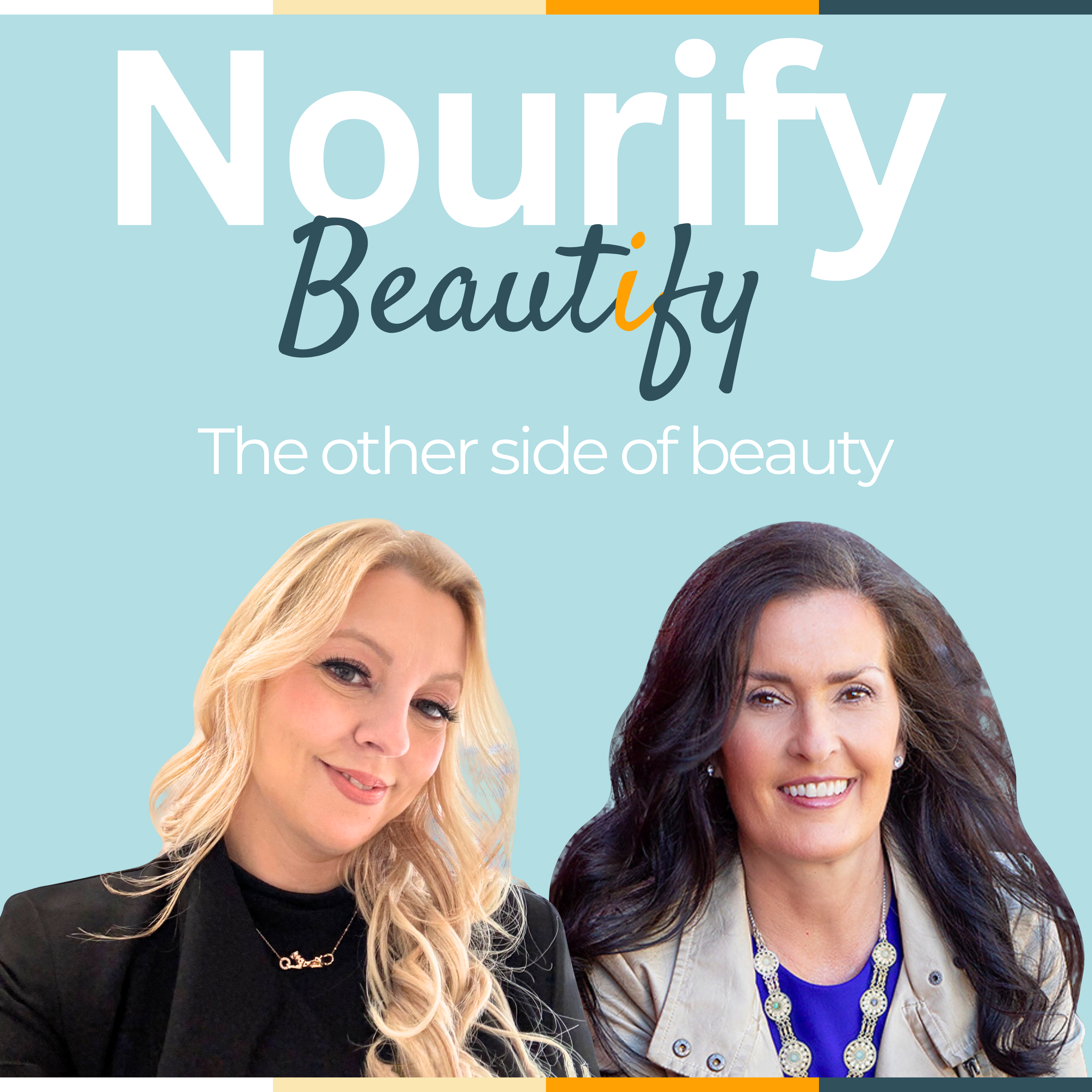
When a Dentist Abandons Conventional Oral Care
Dr. Ginger Price spent 35 years as a cosmetic dentist. She prescribed fluoride toothpaste, recommended standard mouthwashes, and did what evidence-based dentistry taught her to do.
Then her patients started asking questions she didn’t have good answers to. Could you maintain oral health without fluoride? What did the research on oil pulling actually show? Were there effective alternatives to alcohol-based mouthwashes for people with sensitivities?
The more she researched, the more she found that the answer to some of these questions was: yes, there are alternatives — and some of them come from traditions with more history than the modern dental care aisle.
She founded Dr. Ginger’s around a coconut oil and xylitol base, taking ancient oil-pulling traditions and formulating them for modern convenience. In this conversation with Nour Abochama, she explains the science — and the limits — of what she’s built.
The Ancient Practice Behind the Modern Product
Oil pulling — the practice of swishing oil in the mouth for several minutes — appears in Ayurvedic texts going back thousands of years. Traditional practice involved sesame or sunflower oil. Dr. Ginger uses coconut oil.
The proposed mechanism:
Oral bacteria have lipid (fat) cell membranes. When you swish oil, the theory is that bacteria are pulled into the oil through lipid-lipid interactions — the same principle behind how soap removes grease. Swishing for an extended period physically removes bacterial colonies from teeth and gums, and spitting the oil out removes the bacteria with it.
What the research actually shows:
The clinical evidence on oil pulling is promising but limited. Key findings from published studies:
- A 2014 study in the Journal of Indian Society of Pedodontics and Preventive Dentistry found that oil pulling with sesame oil reduced Streptococcus mutans count (the primary bacteria associated with tooth decay) comparable to chlorhexidine mouthwash
- A 2009 study in the Journal of Oral Health and Community Dentistry found oil pulling reduced plaque-induced gingivitis scores significantly
- A 2011 review in the Journal of Natural Science, Biology and Medicine concluded oil pulling was effective against plaque and gingivitis, comparable in some measures to chlorhexidine
The limitations:
Most oil pulling studies are small, short-term, and conducted by researchers in institutions with an interest in Ayurvedic medicine. The gold standard randomized controlled trials against modern oral hygiene products are limited. Oil pulling should be considered a complement to — not a replacement for — brushing and flossing.
“I’m very careful about overclaiming,” Dr. Ginger tells Nour. “The evidence supports oil pulling as a beneficial practice. It does not support oil pulling as a replacement for conventional oral hygiene.”
The Fluoride Question
This is where Dr. Ginger’s perspective is most interesting — and most nuanced.
Fluoride works. The evidence is unambiguous: fluoride prevents tooth decay by incorporating into tooth enamel and making it more resistant to acid attack from bacteria. Water fluoridation has been one of the most effective public health interventions of the 20th century.
At the same time, fluoride at high doses (well above the amounts in toothpaste) is a neurotoxin. Recent studies have raised questions about fluoride exposure and neurodevelopment in children, though the evidence is contested and the doses studied are typically much higher than exposure from toothpaste use.
“For most adults, fluoride toothpaste is safe and effective and I would recommend it,” Dr. Ginger says. “My concerns are specifically for young children who swallow toothpaste and for people with specific sensitivities or conditions. That’s the market I’m building for — not as a wholesale replacement for fluoride, but as a legitimate alternative for people who want one.”
Her fluoride-free formula relies on two primary mechanisms:
Coconut oil — for the mechanical bacterial removal described above, plus the antimicrobial properties of lauric acid (the primary fatty acid in coconut oil, which has demonstrated antibacterial activity in laboratory studies)
Xylitol — a sugar alcohol that has substantial clinical evidence for cavity prevention through a different mechanism: oral bacteria can ingest xylitol but cannot metabolize it, and the metabolic disruption reduces bacterial growth and acid production
The combination is designed to address both the physical removal of bacteria (oil) and the biochemical disruption of bacterial metabolism (xylitol) without fluoride.
What Xylitol Actually Does
Xylitol deserves more attention than it typically receives in oral health conversations.
Streptococcus mutans — the primary bacteria associated with tooth decay — metabolizes fermentable sugars and produces acid that demineralizes enamel. When S. mutans ingests xylitol, it transports it into the cell but cannot phosphorylate it for energy metabolism. The xylitol-5-phosphate that accumulates is toxic to the bacteria, reducing their growth and acid production.
Additionally, xylitol stimulates saliva production. Saliva is the mouth’s natural defense against decay: it buffers acid, provides calcium and phosphate for remineralization, and contains antibodies and antimicrobial compounds.
The evidence base for xylitol:
Clinical evidence is considerably stronger for xylitol than for oil pulling:
- Cochrane reviews have found xylitol reduces caries (cavities) incidence compared to control groups
- The American Dental Association notes xylitol can be beneficial as part of a caries prevention regimen
- Studies show xylitol at 6–10 grams per day (divided across multiple exposures) provides meaningful cavity prevention benefits
“Xylitol is one of the most evidence-supported natural oral health interventions we have,” Dr. Ginger explains. “The dose and frequency matter — you need multiple xylitol exposures throughout the day to have the antibacterial effect.”
The Product Testing Reality
Nour’s perspective here adds important context. Oral care products — even “natural” ones — are regulated as cosmetics in the US (unless they make drug claims like “prevents cavities,” which makes them an OTC drug).
For natural oral care products, the testing protocols include:
Microbiology testing — confirming the product is free from harmful microorganisms and within acceptable total plate count limits
Preservative efficacy (challenge test) — particularly important for water-containing products; verifies the formula resists microbial contamination over time
pH testing — critical for oral care products; products with pH below 5.5 can erode enamel regardless of other ingredients
Stability testing — accelerated aging to confirm the product maintains stability, appearance, and efficacy throughout shelf life
For products making “prevents cavities” claims: These cross into OTC drug territory and require compliance with FDA monograph for anticaries drug products, which specifies permitted ingredients (fluoride, in specific forms) and concentrations. Brands making cavity prevention claims without fluoride cannot use OTC drug status and must pursue the more burdensome New Drug Application pathway — which is why most fluoride-free brands carefully avoid explicit cavity prevention claims.
“The regulatory distinction between ‘whitens teeth’ (cosmetic claim) and ‘prevents cavities’ (drug claim) has significant compliance implications,” Nour notes. “Brands that drift into drug territory without realizing it can face FDA enforcement.”
Practical Oral Health Principles That Aren’t Controversial
Whatever your position on fluoride, oil pulling, and natural alternatives, several oral health practices are supported by robust evidence:
-
Brush twice daily for two minutes. Mechanical removal of plaque through brushing remains the most important oral hygiene practice. Format matters less than consistency.
-
Floss daily. Brushing misses the interproximal surfaces (between teeth) where most cavities and periodontal disease begin. This is non-negotiable.
-
Limit fermentable carbohydrates, particularly between meals. Every time fermentable carbohydrates (sugars, refined starch) come into contact with plaque bacteria, an acid attack on enamel follows for about 20 minutes. Frequency of sugar exposure matters as much as quantity.
-
Stay hydrated. Dry mouth dramatically increases decay risk. Adequate saliva flow is one of the most important factors in oral health.
-
See a dentist. Professional cleaning removes calcified deposits (calculus) that brushing and oil pulling cannot address. Many serious problems are asymptomatic until advanced.
Key Takeaways
- Oil pulling has modest clinical evidence supporting reduction of plaque and gingivitis; it is a legitimate complement to — not replacement for — conventional brushing and flossing
- Xylitol has a stronger clinical evidence base than oil pulling and works by disrupting Streptococcus mutans metabolism at doses of 6–10g/day
- Fluoride-free oral care is a legitimate choice for specific populations with specific concerns, particularly when xylitol is used as an alternative antibacterial agent
- Oral care products making “prevents cavities” claims are regulated as OTC drugs in the US and must comply with the relevant FDA drug monograph
- pH testing is critical for oral care products — products below pH 5.5 can cause enamel erosion regardless of other ingredients
This article is based on Episode 37 of Nourify & Beautify with Dr. Ginger Price. Watch the full conversation on YouTube or listen on Podbean.


